10 Fascinating Facts About Patagonia
Patagonia is not a country and it has no single official boundary. It is a vast region shared by Argentina and Chile, and even defining where it begins can start a lively argument. What nobody disputes is its scale, variety and ability to make travellers feel wonderfully small.
Patagonia Is Enormous
Depending on the definition used, Patagonia covers roughly 800,000 to more than one million square kilometres. It stretches across the southern reaches of Argentina and Chile and includes dry steppe, temperate rainforest, high mountains, ice fields, fjords, islands and an Atlantic coastline rich in marine life.
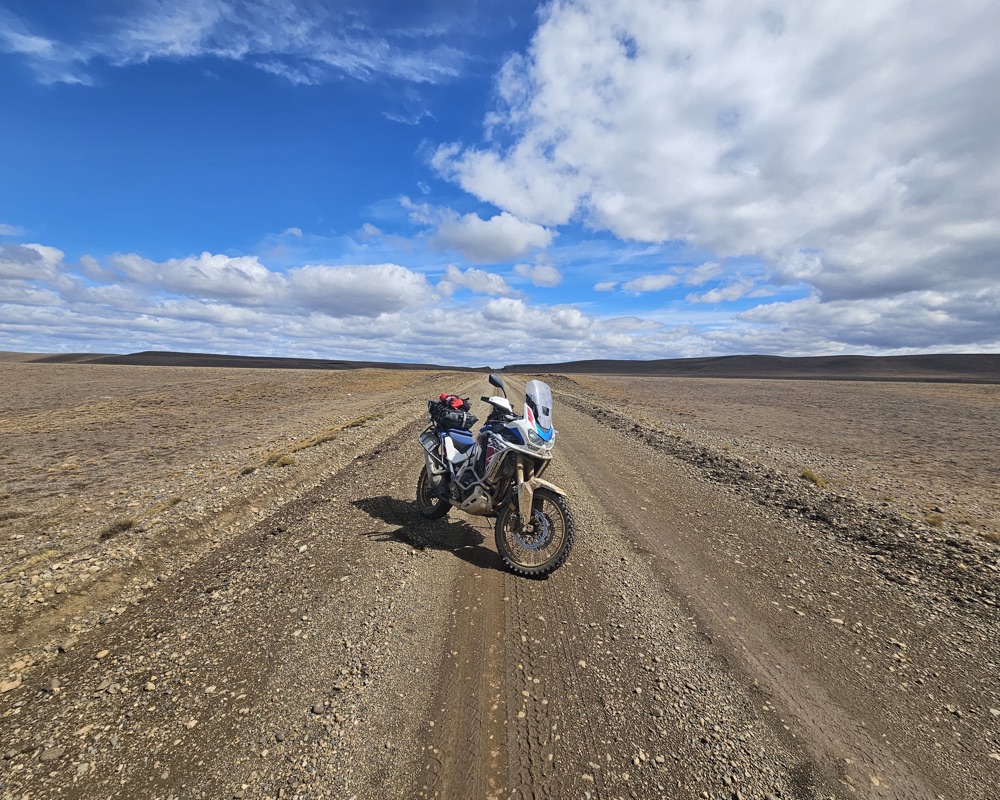
That size creates striking changes in climate and landscape. East of the Andes, much of Argentine Patagonia is open, dry and sparsely vegetated. To the west, moisture from the Pacific feeds forests, glaciers and the maze of Chilean channels. A journey across the region can feel like crossing several different countries.
The Andes Shape Almost Everything
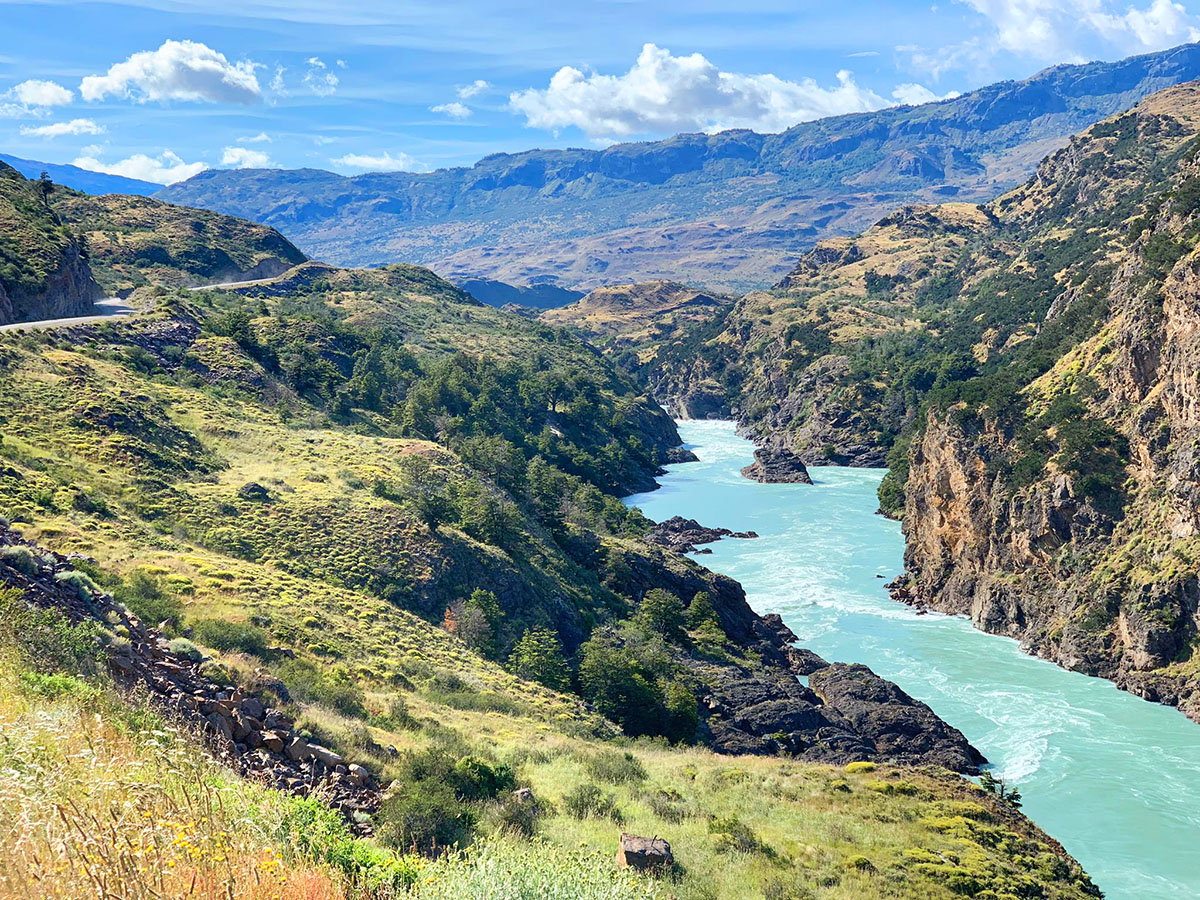
The Andes form Patagonia’s mountainous spine and strongly influence its weather. Moist westerly air rises over the range and releases much of its precipitation on the Chilean side. By the time the air reaches the Argentine steppe, it is considerably drier—the classic rain-shadow effect.
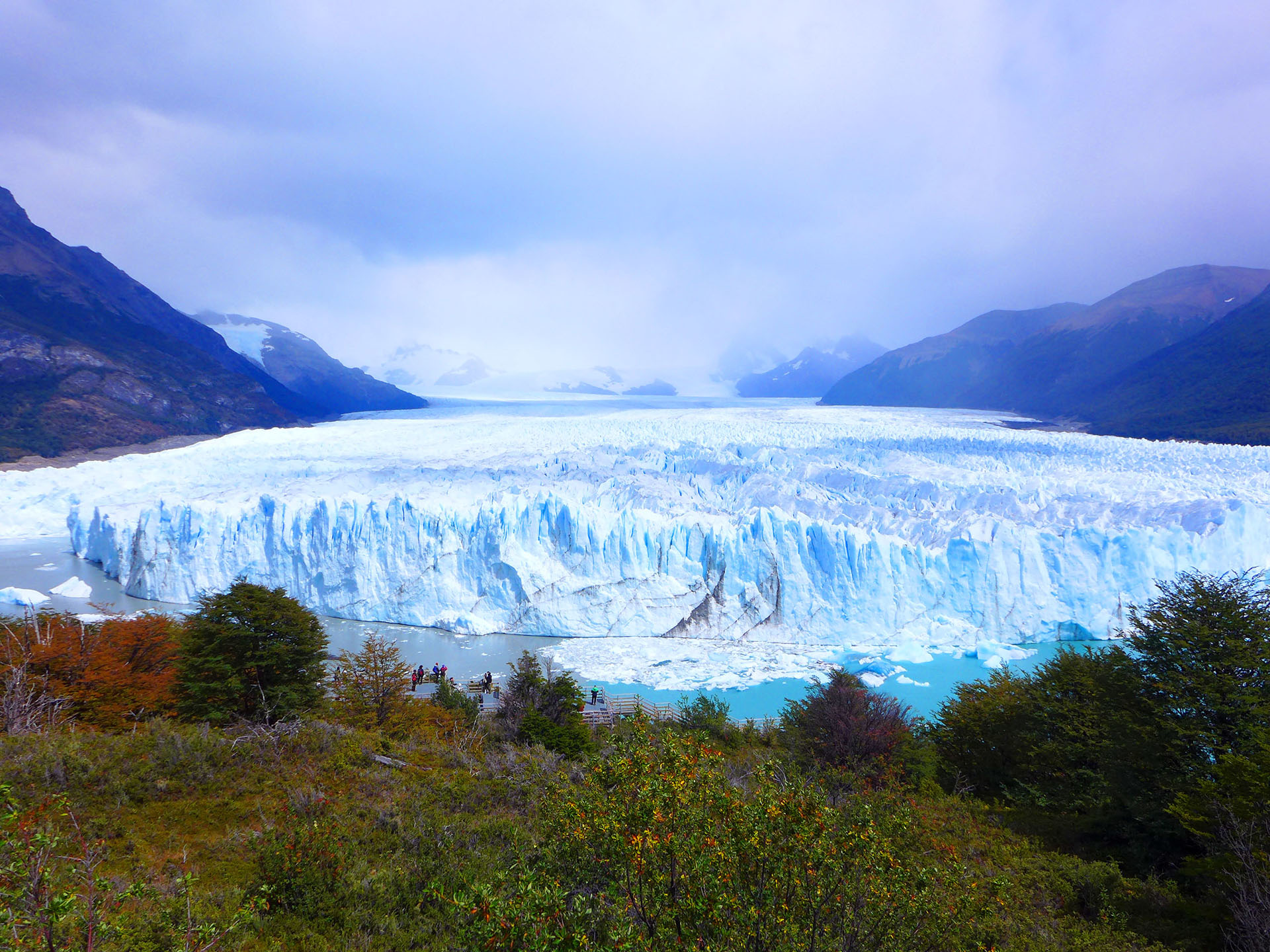
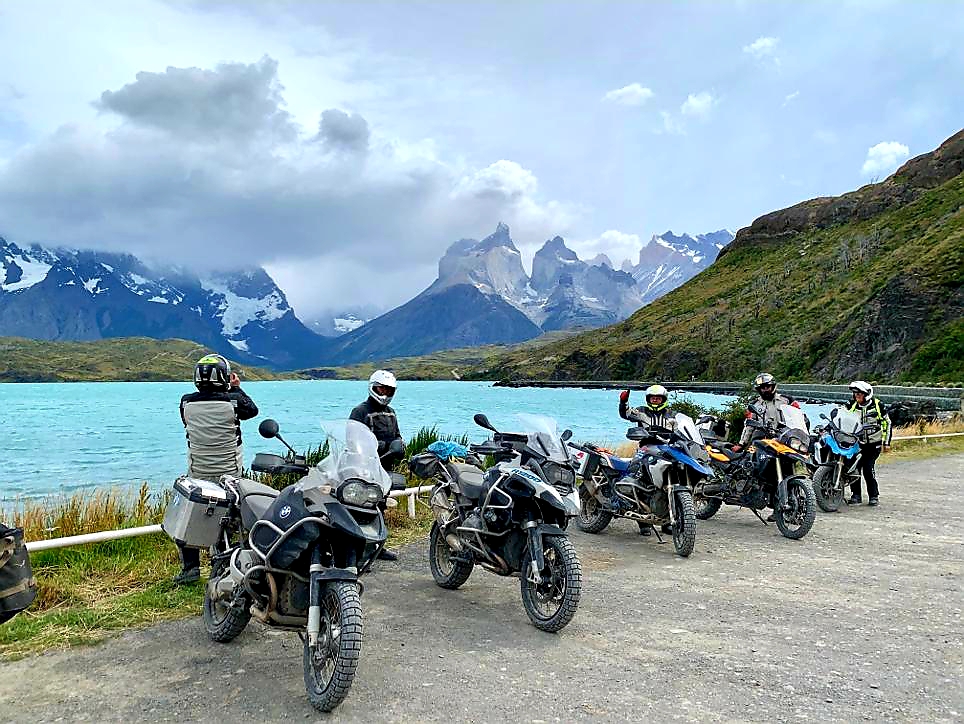
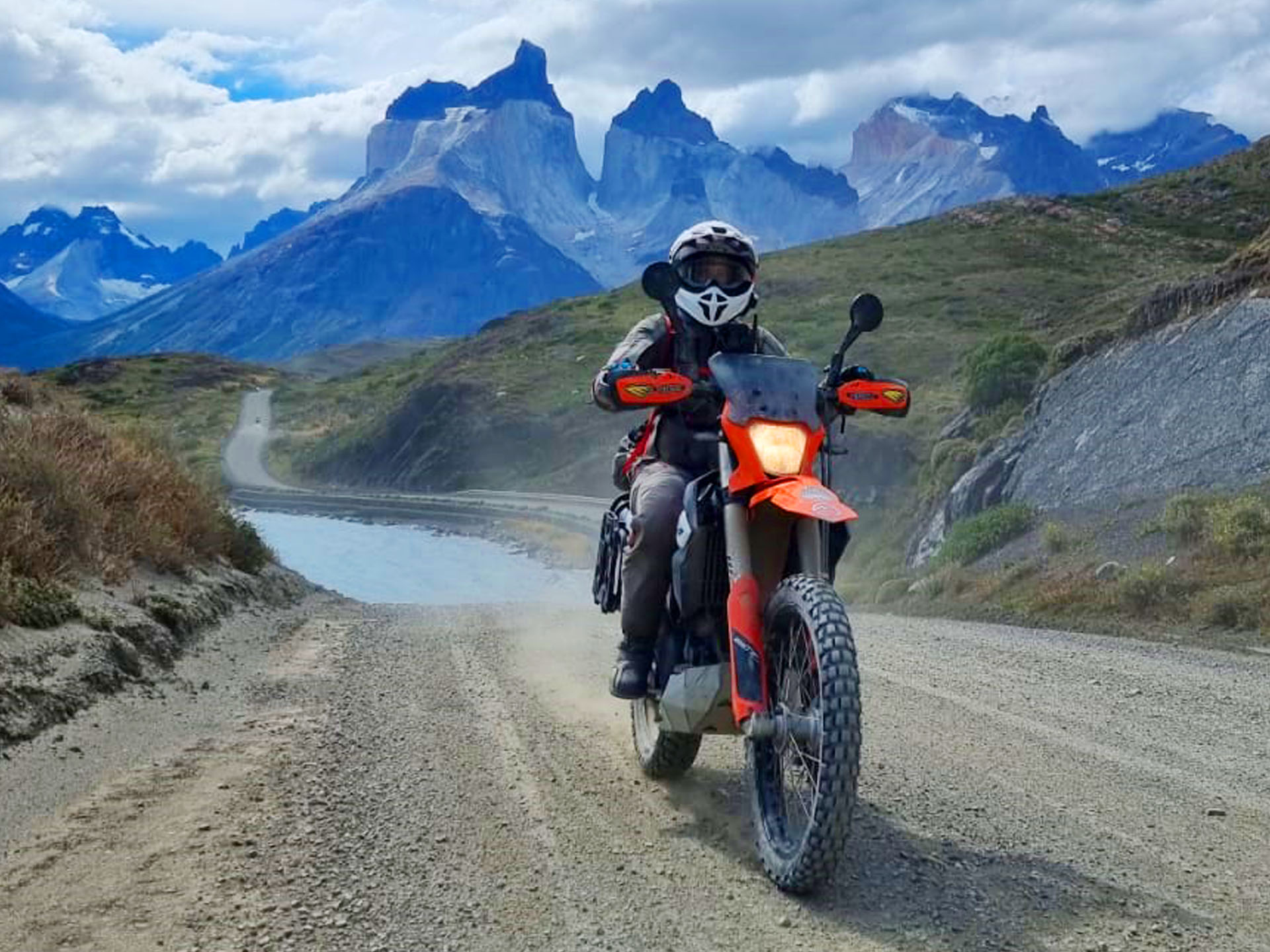
The Patagonian Andes contain some of the region’s best-known landmarks: Fitz Roy, Cerro Torre, Torres del Paine and the Southern Patagonian Ice Field. Perito Moreno Glacier is famous for its blue ice, dramatic calving and periodic ice dams across part of Lake Argentino. For decades it was described as unusually stable, but recent research has documented accelerated thinning and retreat since around 2019.
The “Giants of Patagonia” Were a European Legend
When Ferdinand Magellan’s expedition reached the region in 1520, its chroniclers described the Indigenous people they encountered as unusually tall. Later retellings turned those observations into stories of giants. The people were probably Tehuelche, who were often taller than the Europeans of the period, but certainly not mythical giants.
The name Patagonia is usually linked to the word Patagón, used by Magellan’s expedition. Its precise origin remains debated; one influential explanation connects it to a wild character in a Spanish chivalric romance rather than to the often-repeated idea of “big feet”.
Patagonia also once supported genuinely giant animals. Macrauchenia, Toxodon and the enormous ground sloth Megatherium lived in South America, while Argentavis was among the largest flying birds known. Much of the continent’s megafauna disappeared around the end of the Pleistocene, roughly 12,000 to 10,000 years ago.
People Lived Here Thousands of Years Before Europeans Arrived
Human history in Patagonia reaches back well over 10,000 years. One of the region’s great archaeological treasures is Cueva de las Manos—Cave of the Hands—in the Río Pinturas canyon in Argentina.
The oldest artworks in Cueva de las Manos were created around 13,000–9,500 years ago, with new paintings added over the following millennia. Hundreds of distinctive hand stencils have survived on the cave walls, alongside depictions of guanacos and dynamic hunting scenes. They were created using natural mineral pigments in shades of red, purple, white, yellow and black. Today, Cueva de las Manos remains one of the most remarkable testimonies to the early communities that inhabited Patagonia long before the arrival of Europeans.
Patagonia Is a Penguin Stronghold
The coasts of Argentine and Chilean Patagonia provide breeding habitat for several penguin species. Magellanic penguins return to large colonies each year, digging or reusing burrows and commuting between their nests and feeding grounds at sea.
Punta Tombo in Chubut is one of the best-known colonies. Its breeding population has declined substantially since the late 1980s, so old claims of more than a million nesting birds should be treated cautiously, but the reserve remains an extraordinary place to observe penguins at close range.
Farther south, visitors may also encounter gentoo and king penguins, including around Tierra del Fuego. The exact species and numbers vary with location and season—which is a good reason to check current conservation guidance before planning a visit.
Patagonia Has a Remarkable Welsh Heritage
In 1865, Welsh settlers arrived in the Chubut Valley hoping to build a community where they could preserve their language and culture. Their colony became known in Welsh as Y Wladfa.
Towns such as Trelew, Rawson and Gaiman still carry that legacy. Visitors can find Welsh chapels, tea houses, cakes and Eisteddfod festivals, while the language continues to be taught and spoken by part of the community. It is one of Patagonia’s most unexpected cultural threads.
Its Wildlife Is as Varied as Its Landscapes
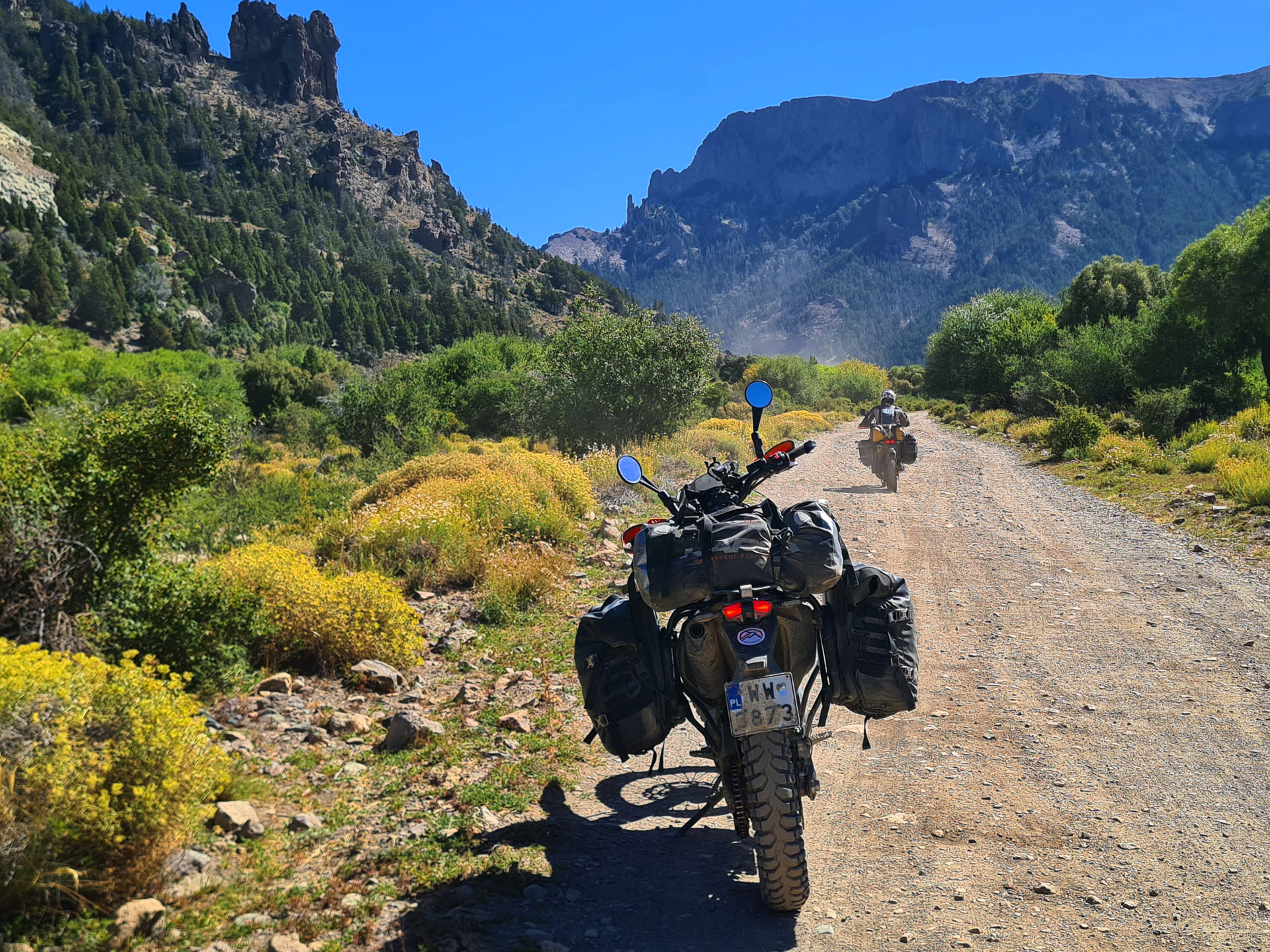
On the Atlantic side, Península Valdés is internationally important for marine wildlife. Southern right whales use its sheltered waters to breed and raise calves; elephant seals, sea lions and orcas also gather along the coast.
Inland, guanacos are among the most characteristic animals of the steppe. Andean condors patrol the skies, rheas run across open ground, and pumas move with such discretion that seeing one remains a privilege rather than an expectation.
Wild Horses Still Roam Remote Corners
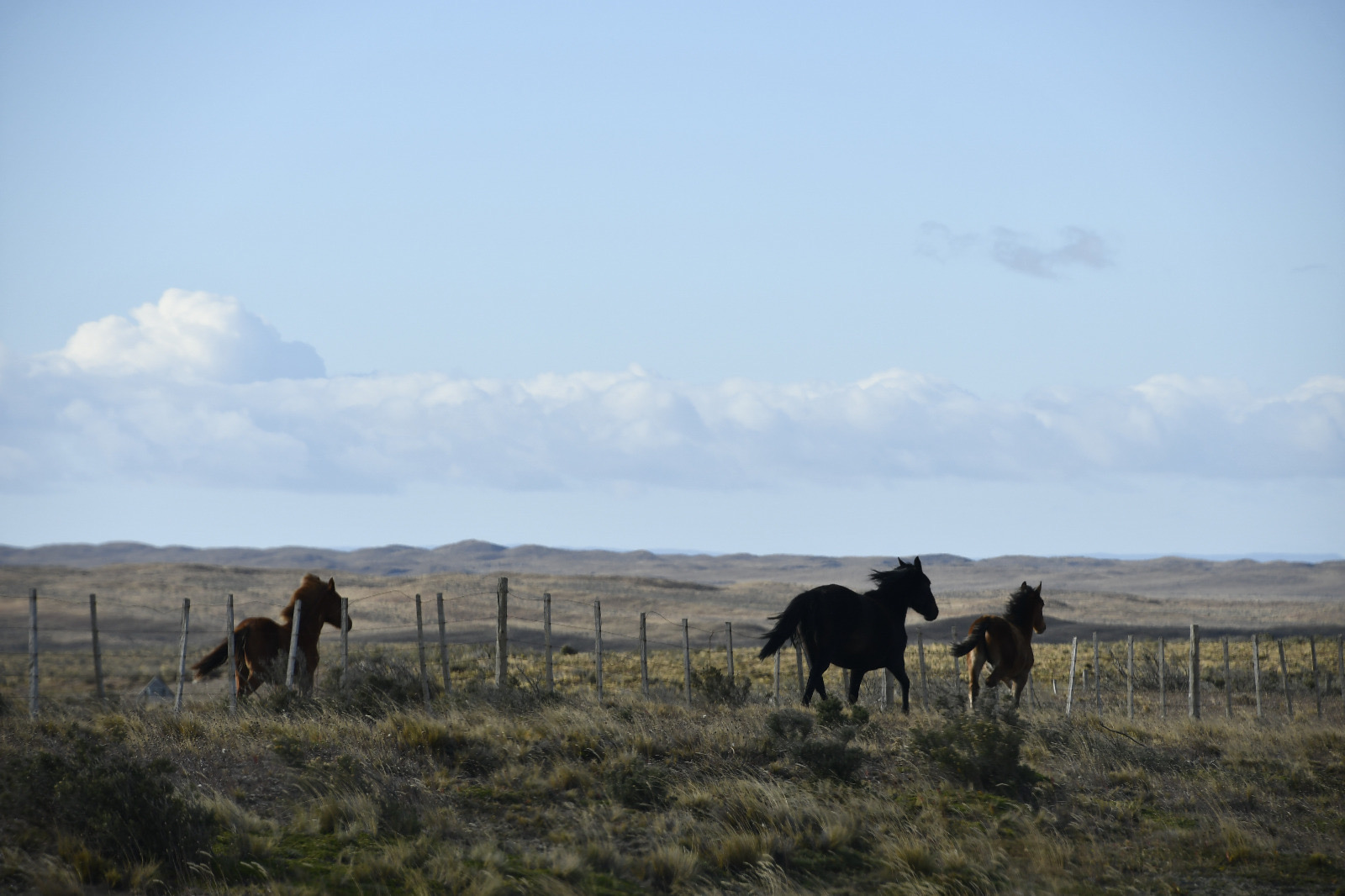
Horses are not native to modern Patagonia; they were introduced by Europeans. Over generations, some escaped or were released and formed free-ranging herds known locally as baguales.
Remote populations live in parts of southern Chile, including the Cape Horn region and the backcountry around Torres del Paine. Their isolation, behaviour and effect on fragile ecosystems are subjects of ongoing study. They are a powerful image of wild Patagonia, but their conservation story is more complex than a simple tale of untouched nature.
Gaucho Culture Is Still Alive
The gaucho is often compared with the North American cowboy, but Patagonian gaucho culture has its own history, language, clothing and traditions. Skilled horsemen worked the enormous estancias that developed across the steppe, managing sheep and cattle in punishing weather and over vast distances.
Bombachas, berets or wide-brimmed hats, facón knives, mate and slow-cooked asado all form part of the popular image. On working estancias, however, the culture is not a museum display—it remains connected to land, livestock and a demanding rural life.
Ushuaia Is a Gateway to Antarctica—and a Magnet for Riders
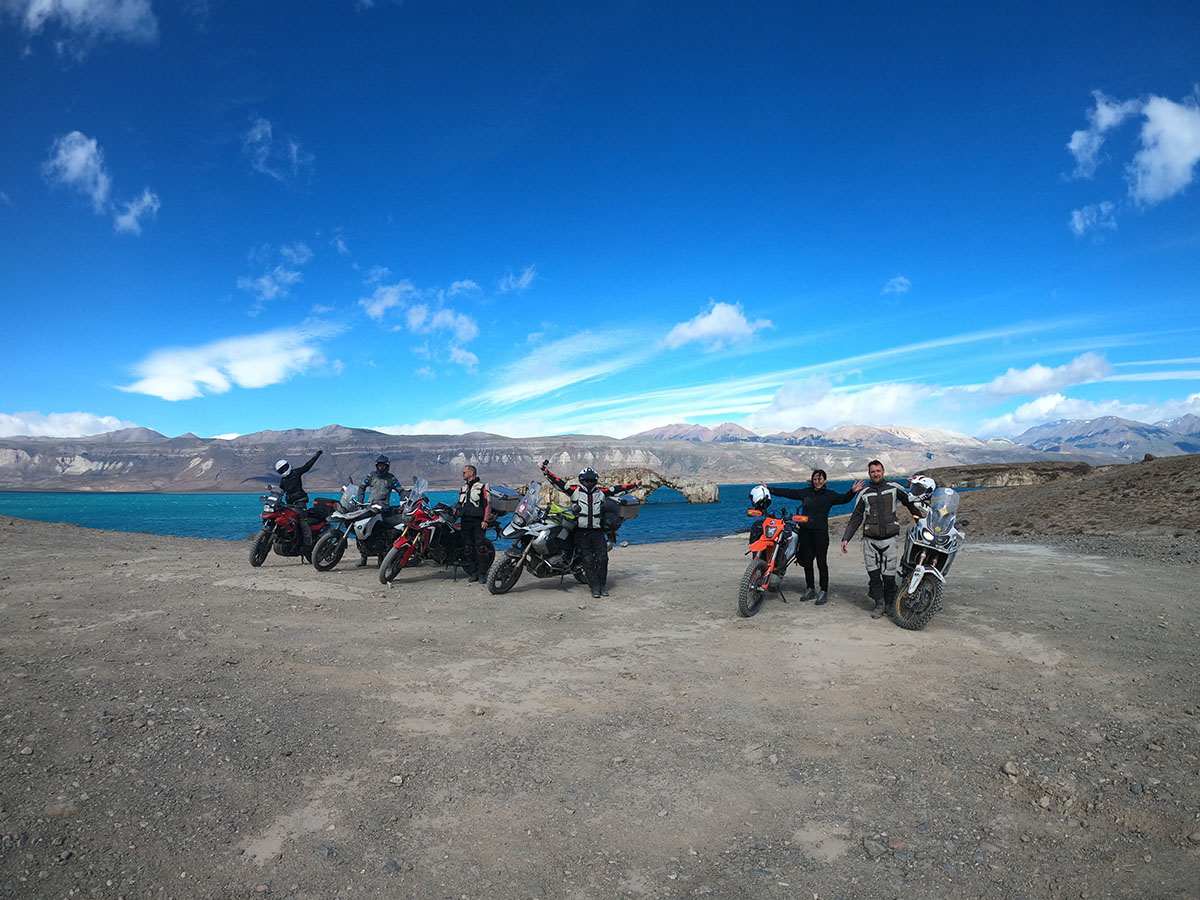
Ushuaia sits on the Beagle Channel in Tierra del Fuego and promotes itself as the southernmost city in the world. It is a major departure point for voyages to the Antarctic Peninsula and a symbolic finish line for travellers following the Americas south.
For motorcyclists, the road sign at Bahía Lapataia and the end of Argentina’s Ruta 3 have become pilgrimage points. The real reward, however, is the journey through Patagonia: the wind, ferries, gravel, mountains, steppe and immense skies that lead there.
Two Ways to Experience Patagonia With MotoBirds
Join a MotoBirds expedition on your own motorcycle
Explore the Patagonia Expedition, 10–29 January 2027 and ride a proven route with MotoBirds support.
Create your own South American journey
If you prefer to travel independently, explore motorcycle shipping to South America and create your own Patagonia route.
It is a choice between a proven route with full support and the freedom of independent travel. Both can be excellent—the right option depends on how much support and logistical work you want to take on yourself.
Newsletter subscribers get more!
Join MotoBirds Soaring Newsletter and don't miss any important content, gear tests, travel inspirations and newest offers in the future! We'll also let you know about fresh publications on our blog.