Explorer
Tanzania Motorcycle Tour — Kilimanjaro, Usambara Mountains and Maasai Steppe | 1–10.10.2027
Available
Choose your options:
Reserve your spot on the trip by paying the deposit or making the full payment.
The booking fee is 25%.
On the “CART” page you will find the amount due and choose the transaction currency – EUR, PLN, or USD.
START:
END:
DURATION:
RIDING DAYS:
TOUR TYPE:
ROAD SURFACES:
DIFFICULTY LEVEL:
GROUP SIZE:
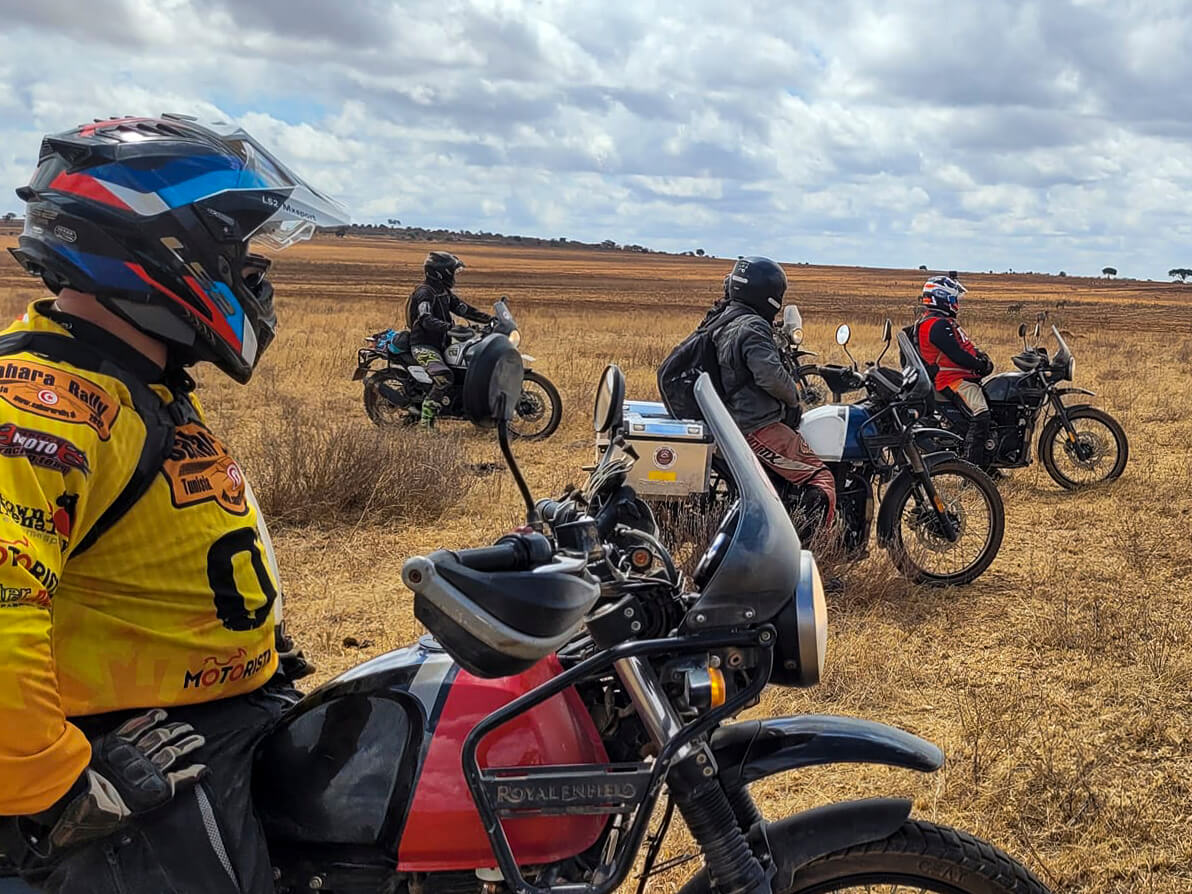
MOTORCYCLE:
Royal Enfield Himalayan 450: €4,250 per rider
The price includes motorcycle rental and fuel. Optional safaris are not included and can be booked separately.
TOUR DESCRIPTION:
TANZANIA FROM THE SADDLE
Most visitors experience northern Tanzania from inside a safari vehicle. We spend seven days riding through it.
This 10-day supported motorcycle tour starts and finishes in Arusha. From there, the route crosses the open plains of Kilimanjaro country, passes the Pare Mountains and climbs into the Usambara highlands around Mtae. It then continues across the Maasai Steppe through Orkesumet and the baobab landscapes around Lake Burunge, before reaching Karatu and returning to Arusha.
Mount Kilimanjaro and Mount Meru may accompany the first stages when the weather cooperates. Later, the scenery shifts between dry plains, green mountain slopes, open grasslands and red-earth tracks. The changes come naturally with the route—there is no need to dress them up.
THE RIDING
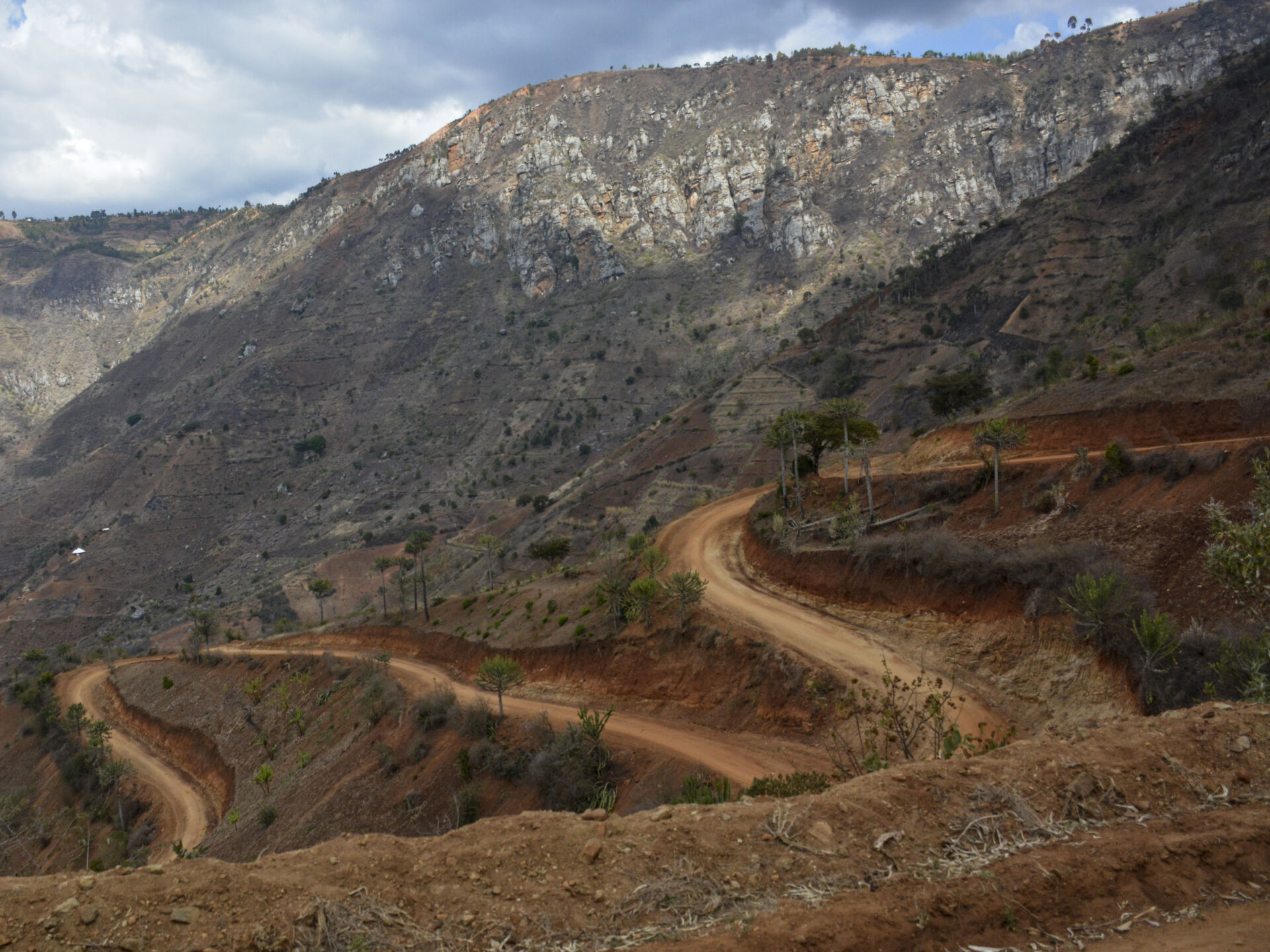
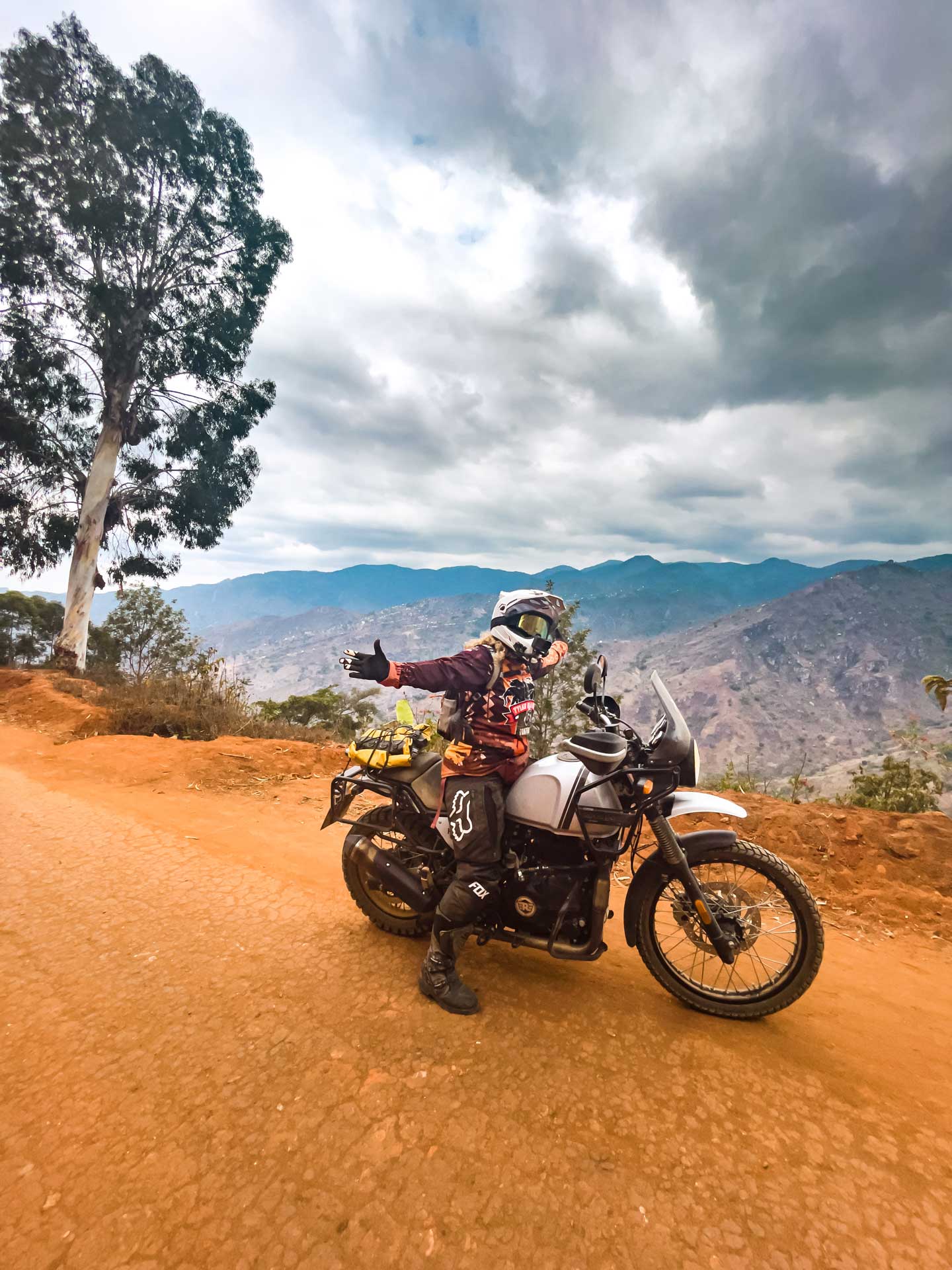
Approximately 65% of the route follows gravel, dirt roads and unpaved tracks. The remaining 35% is asphalt, used to connect the more interesting sections and keep the journey flowing.
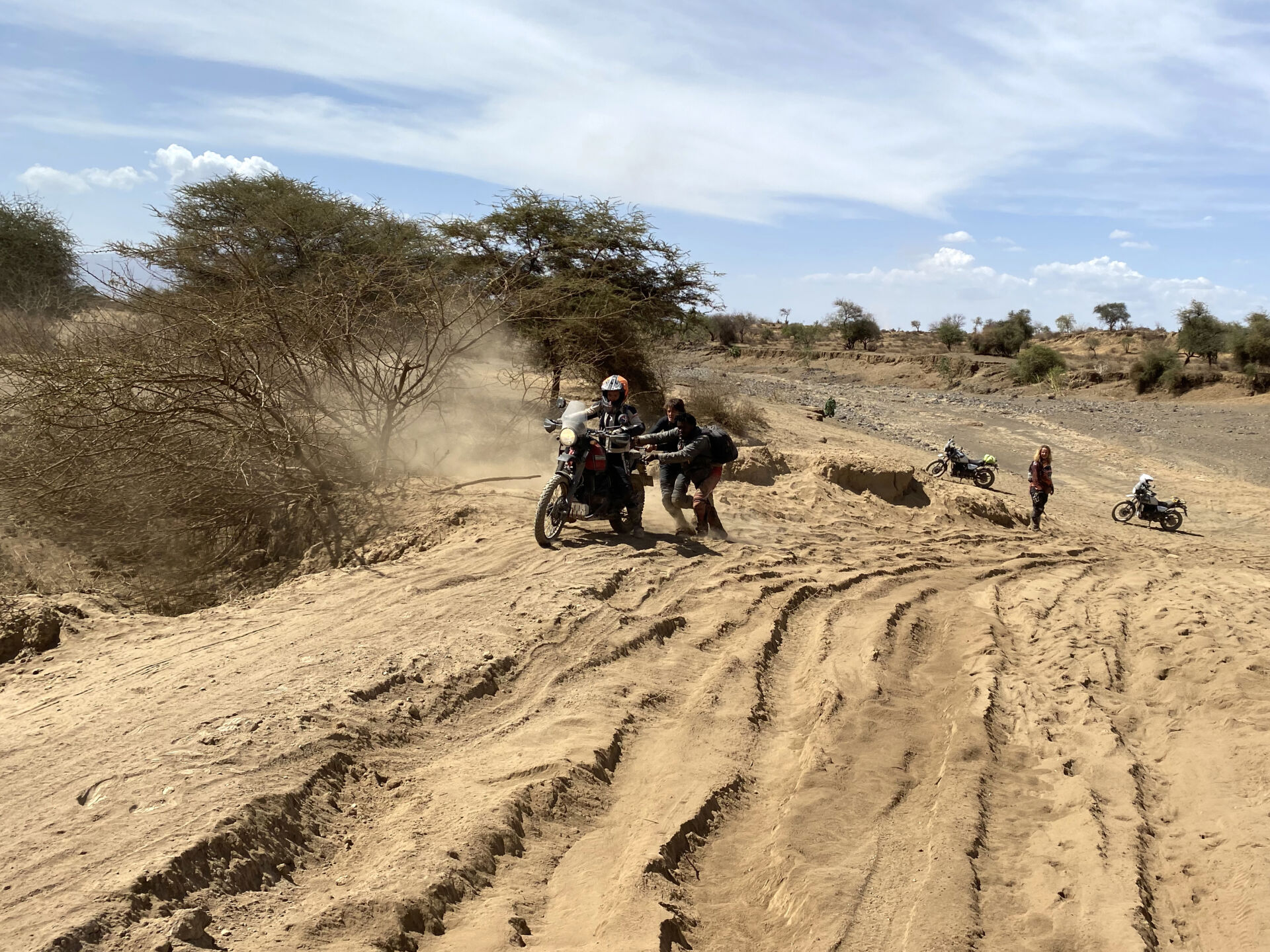
Some tracks are wide and easy to read. Others may be rocky, dusty, rutted or loose and require more concentration. This is not a hard-enduro tour, but it is not a first off-road lesson either. Riders should already be comfortable controlling a motorcycle away from asphalt and maintaining a steady pace over longer unpaved sections.
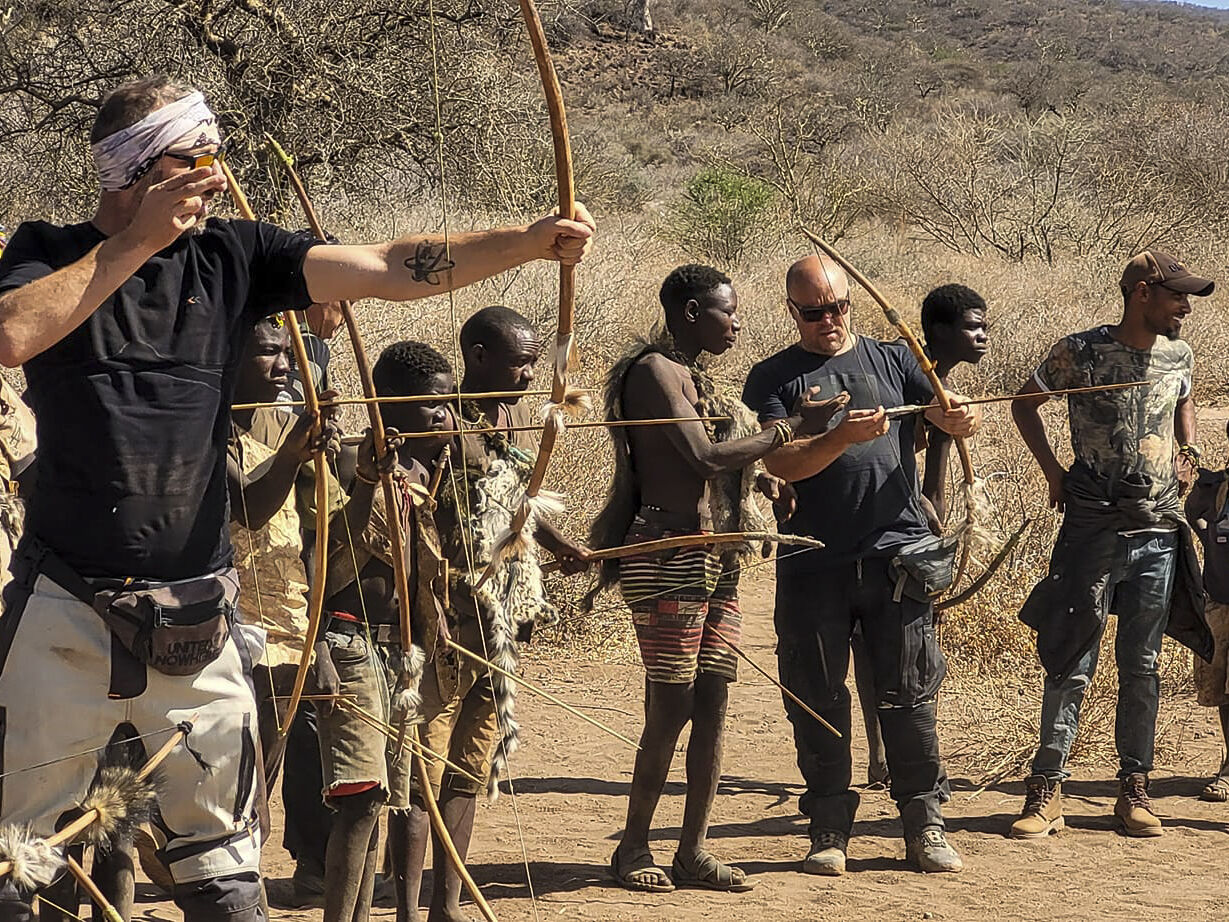
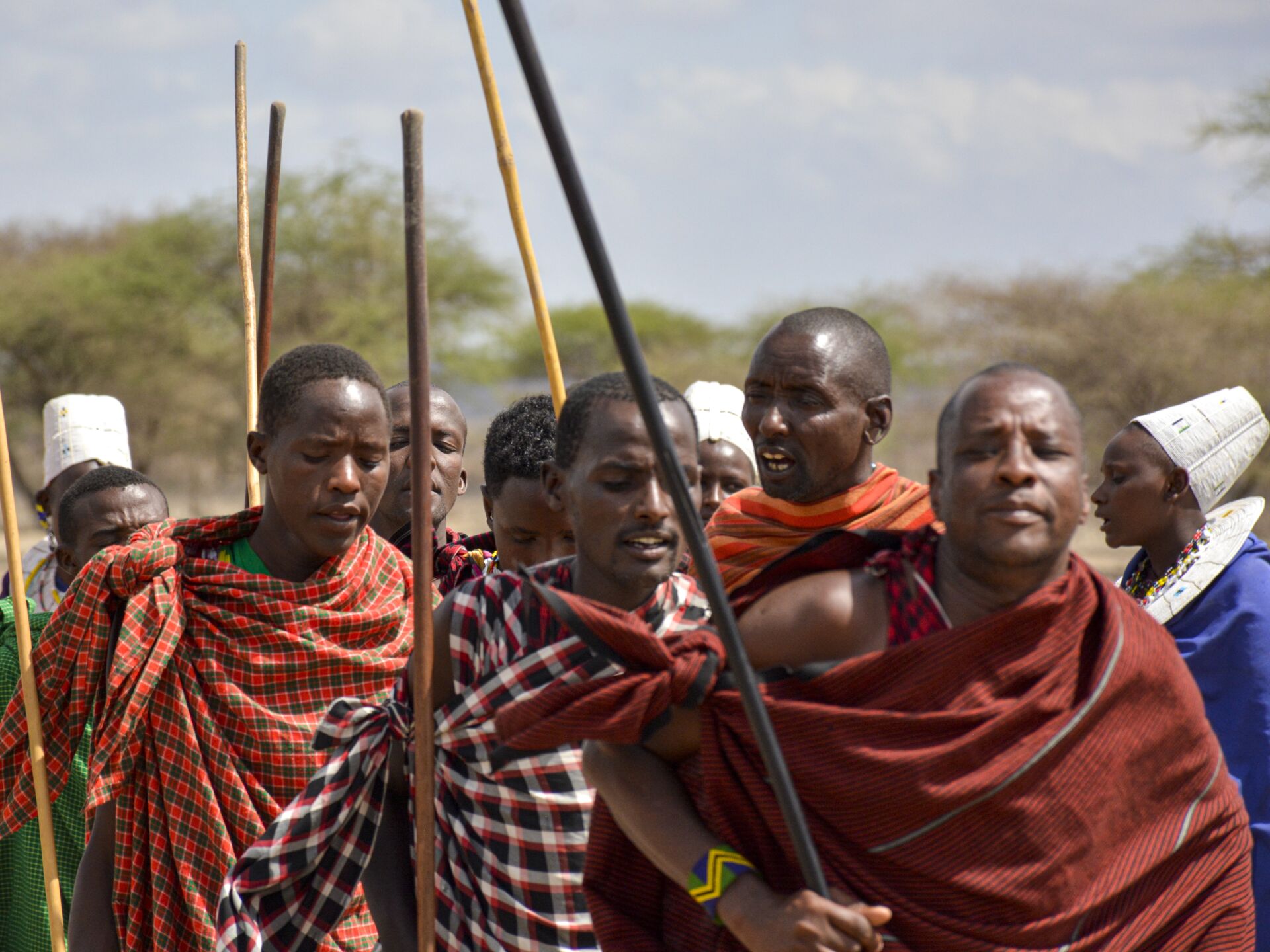
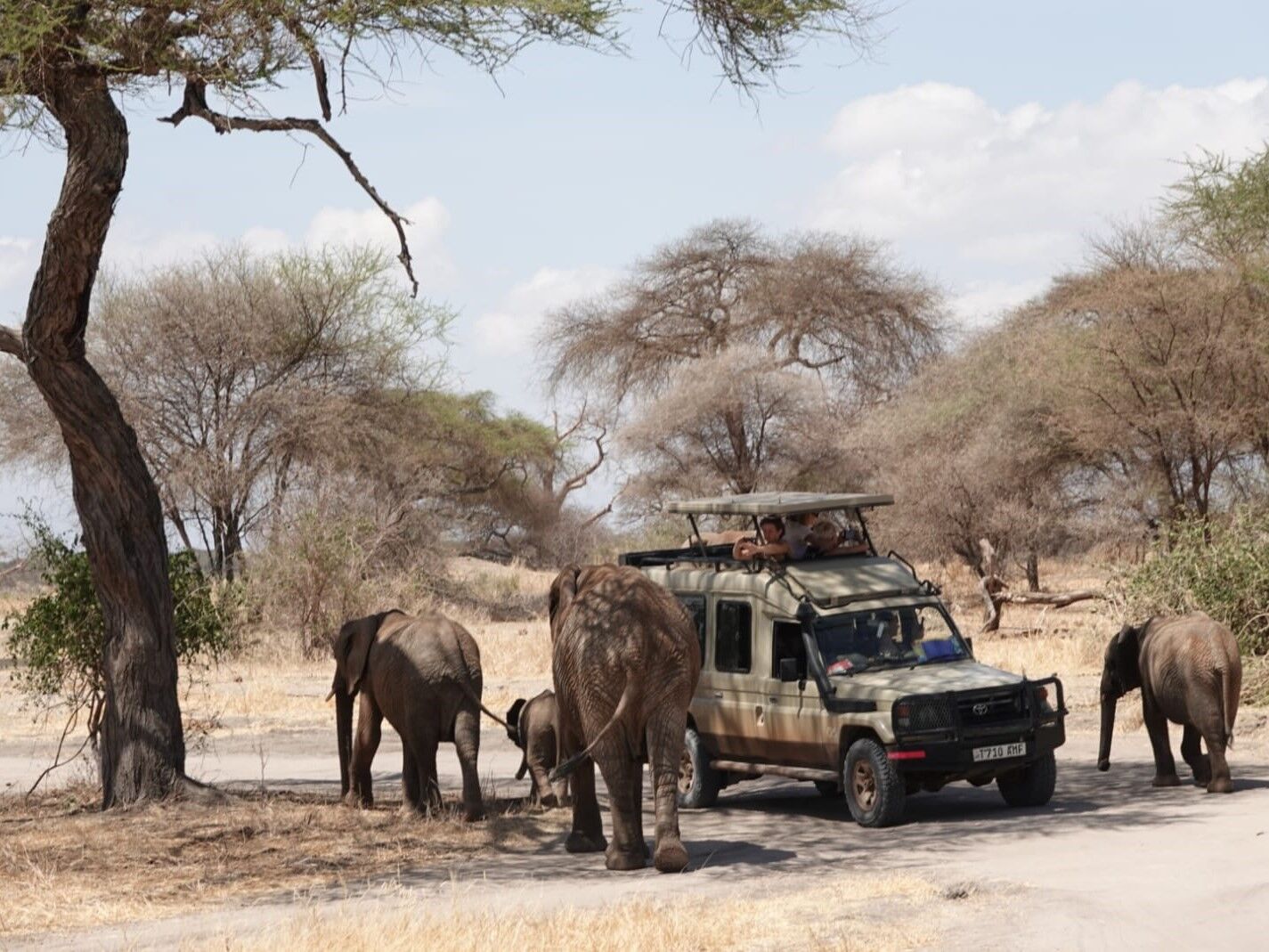
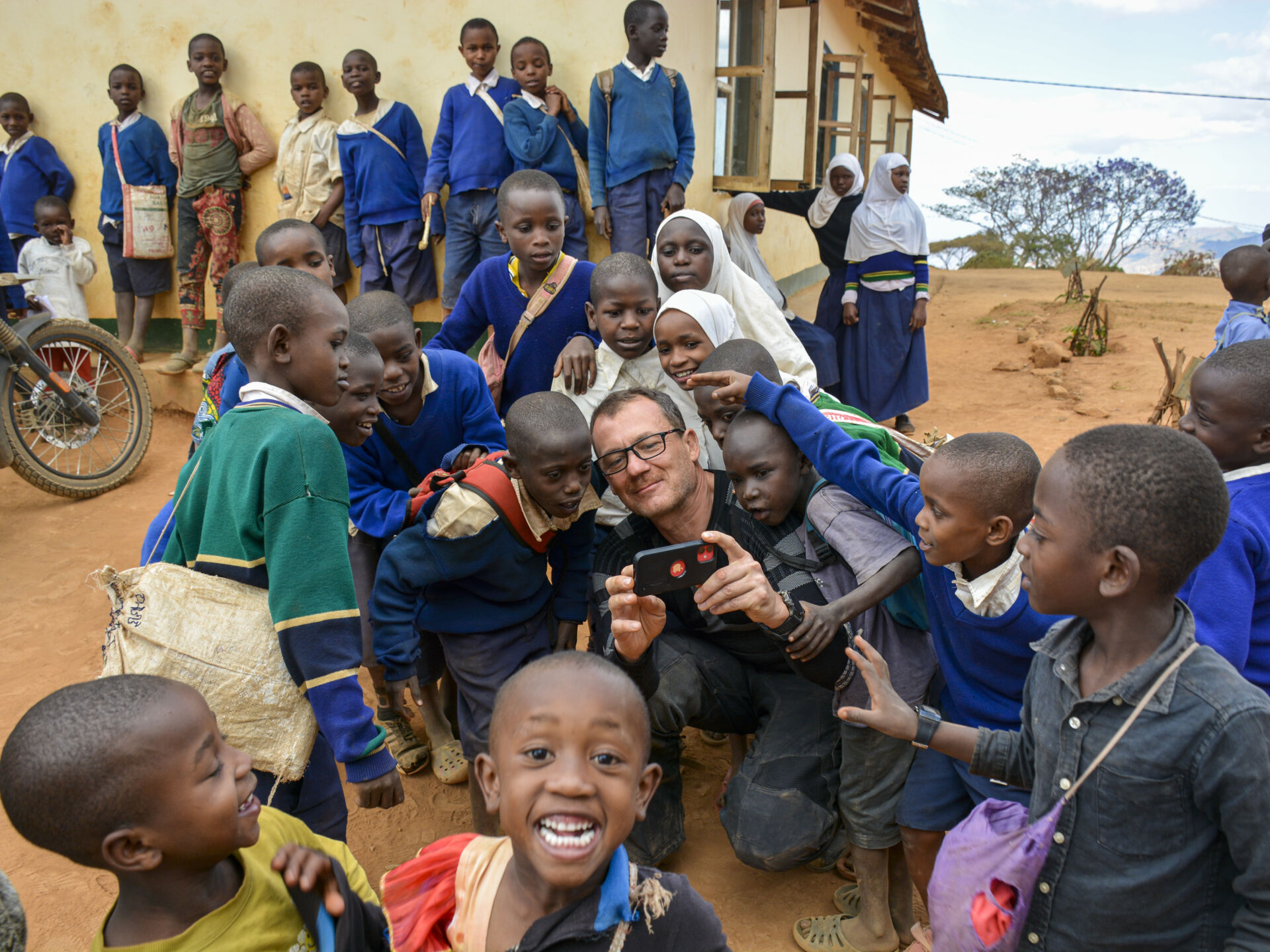
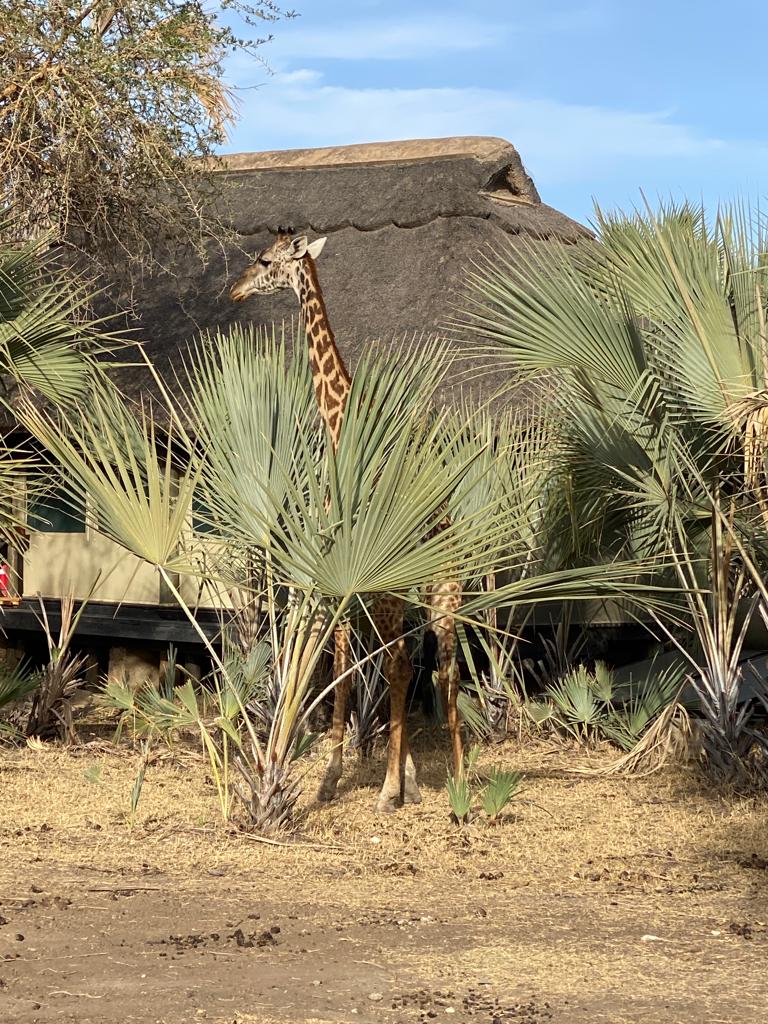
The route passes through working villages, Maasai country and areas where wildlife is part of the landscape rather than a scheduled attraction. Animals may appear along the way, but they have not read our itinerary, so sightings can never be guaranteed.
WHO IS THIS TOUR FOR?
This tour is for adventure riders who enjoy variety more than extreme difficulty: gravel, mountain roads, open plains, changing surfaces and consecutive days in the saddle.
You do not need to ride at rally pace. You do need sound motorcycle control, previous gravel experience and enough stamina to remain focused when the road becomes rough, hot or dusty. The overall difficulty is rated 7/10.
SAFARI—IF YOU WANT IT
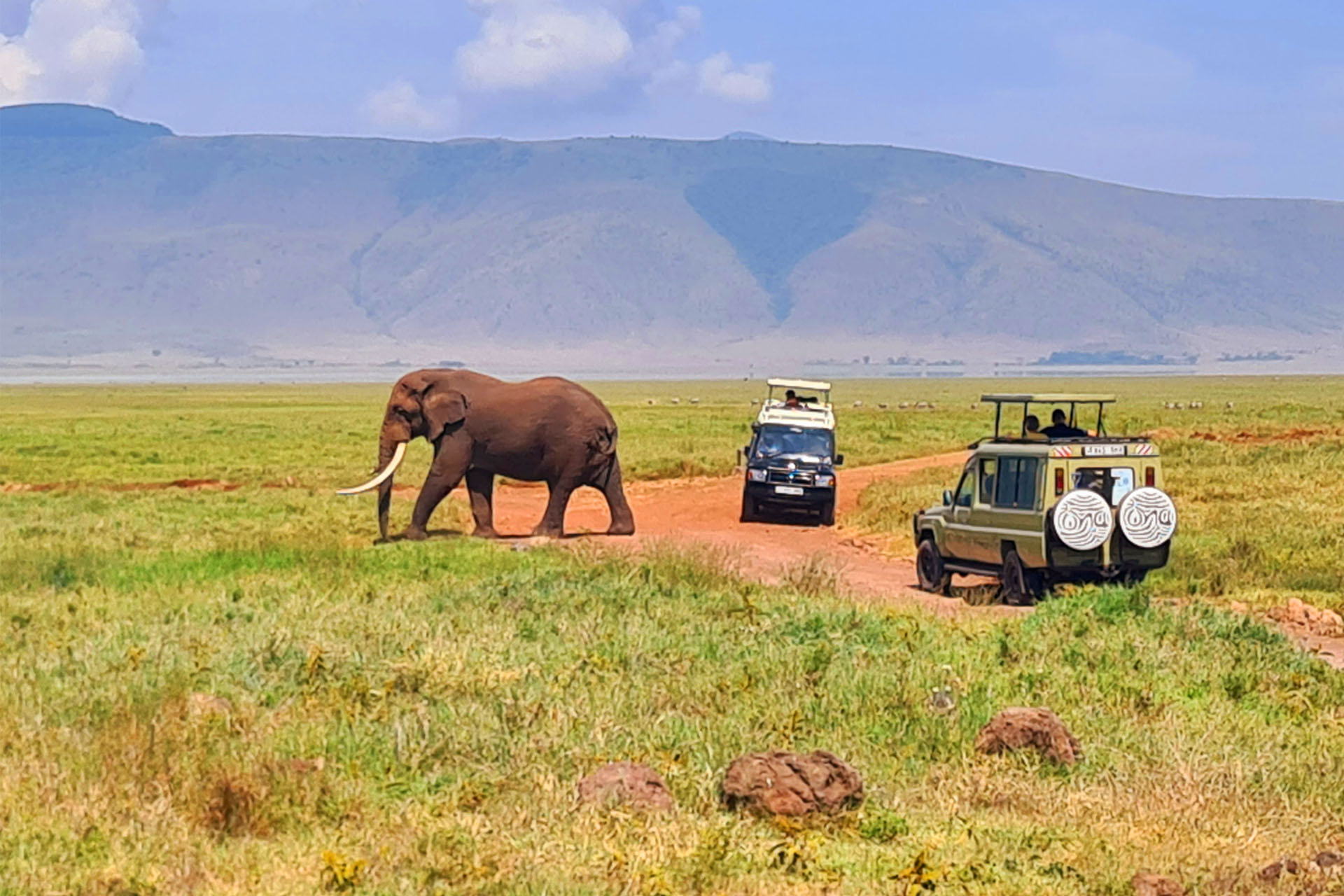
Day 8 is deliberately left open. Participants who want a classic wildlife experience can book an optional 4×4 safari into the Ngorongoro Crater. Those who prefer a quieter day can remain in Karatu and use the time as they wish.
Earlier in the tour, an optional visit to Mkomazi National Park and its Rhino Sanctuary may also be available, subject to local arrangements and conditions.
Both safari activities are booked and paid for separately. They are not included in the base tour price because not everybody wants to add a safari to the trip.
SUPPORT WHERE IT MATTERS
Motorcycle rental and fuel for the planned route are included.
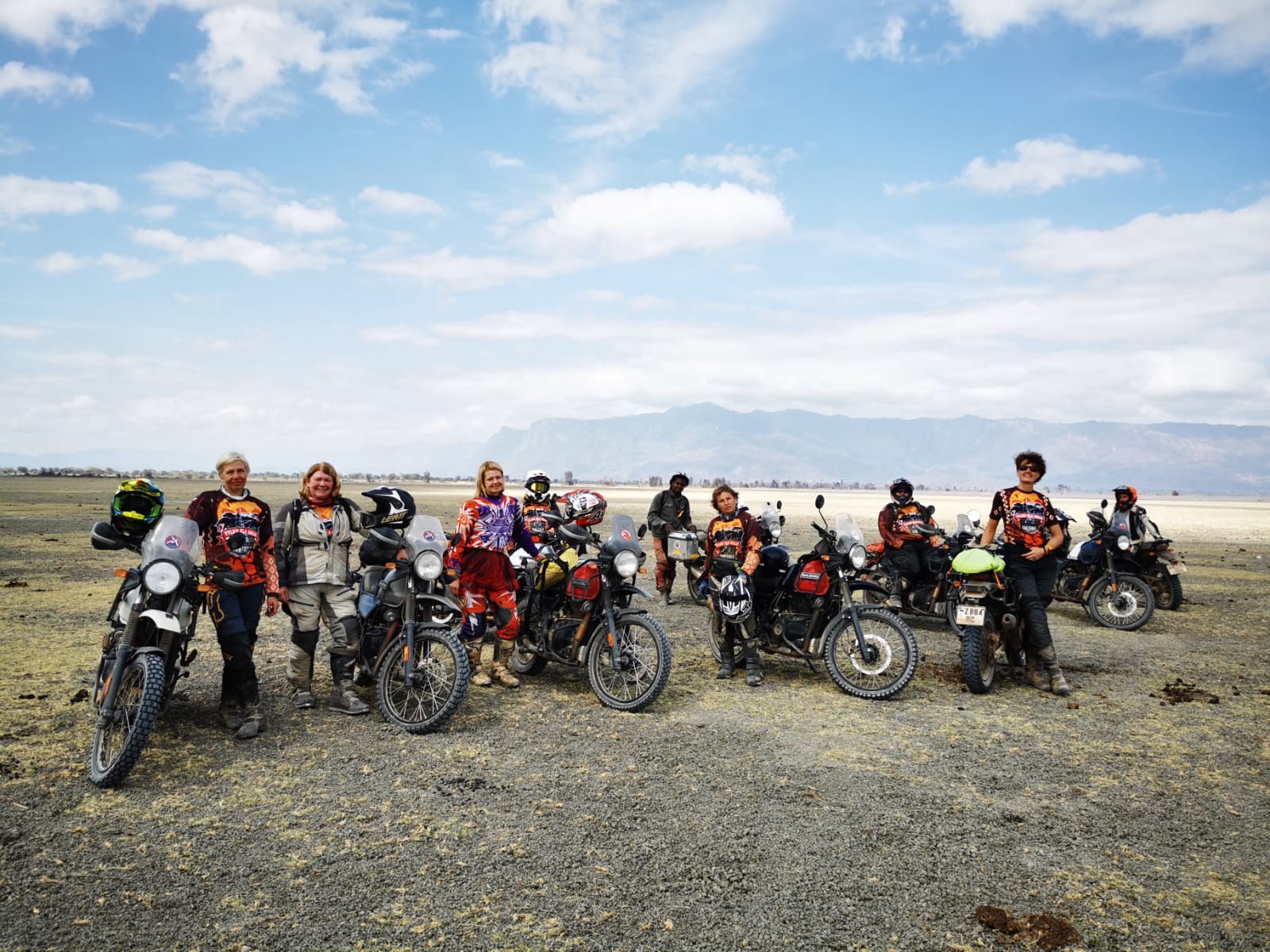
The group is accompanied by a MotoBirds tour leader, a local guide and mechanic, and a support vehicle carrying the participants’ main luggage. Accommodation and route logistics are organised in advance, allowing riders to concentrate on the road without turning the motorcycles into pack animals.
This is Tanzania as we prefer to experience it: from a motorcycle, at a sensible pace and with enough support to take the less obvious roads.
TOUR DETAILS

HIGHLIGHTS:
- Mount Kilimanjaro and Mount Meru — ride across the open plains of northern Tanzania with views towards Africa’s highest mountain and Mount Meru when conditions are clear.
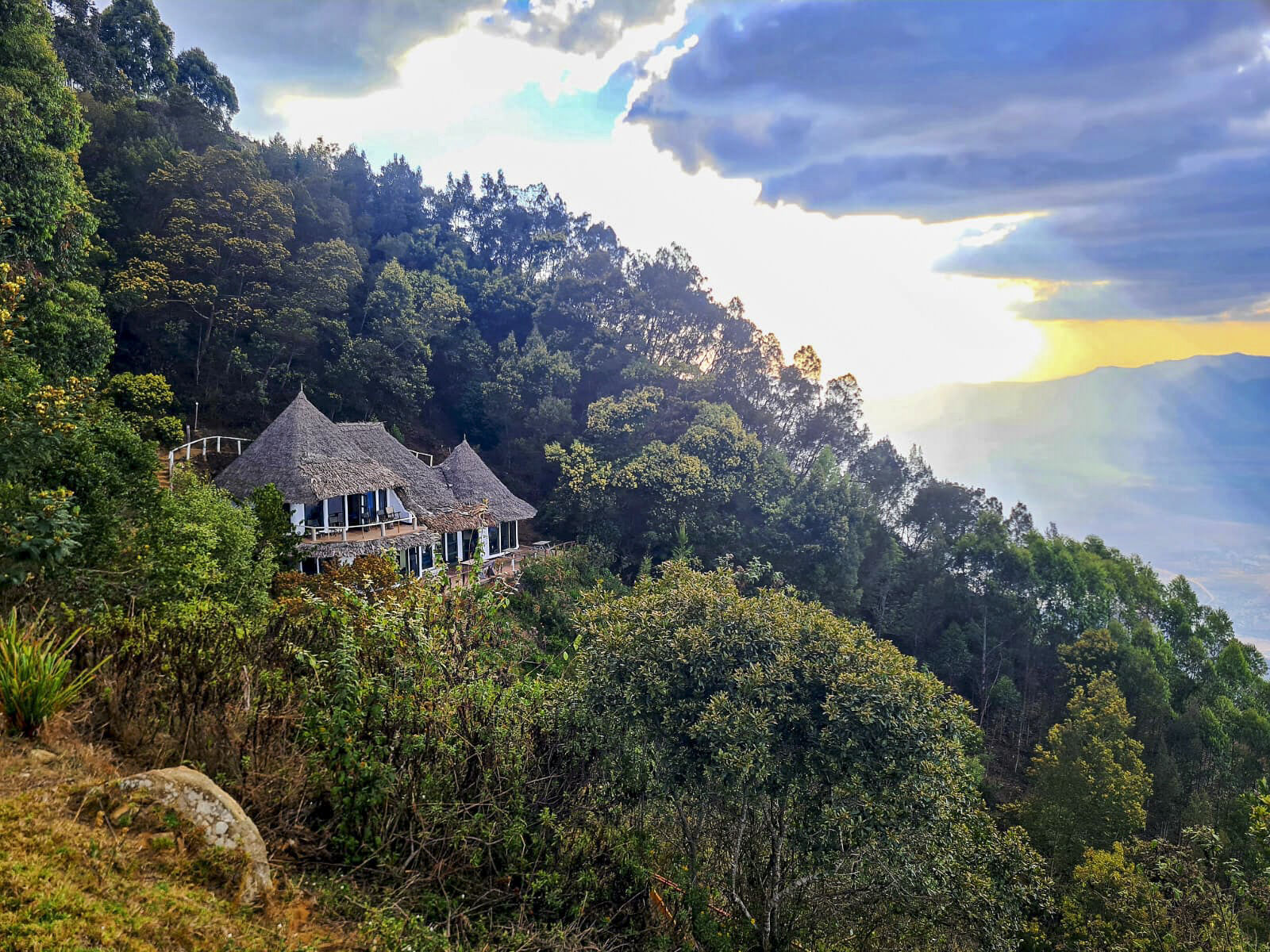
- Pare and Usambara Mountains — winding mountain roads, forested slopes, cooler temperatures and far-reaching views from the Mtae area.
- The Maasai Steppe — remote tracks, traditional settlements and vast grasslands around Orkesumet.
- Lake Burunge and baobab country — long unpaved sections through one of northern Tanzania’s most distinctive landscapes.
- Varied adventure riding — approximately 35% asphalt and 65% gravel, dirt roads, and single tracks.
- Wildlife country — opportunities to encounter animals while crossing open landscapes, although wildlife sightings can never be guaranteed.
- Royal Enfield Himalayan 450 — motorcycle rental and fuel included in the tour price.
- Full route support — MotoBirds guide, local guide and mechanic, support vehicle and luggage transport.
- Optional Mkomazi experience — a possible 4×4 visit to Mkomazi National Park and its Rhino Sanctuary, booked separately.
- Optional Ngorongoro Crater safari — use the free day in Karatu for a separately booked 4×4 safari into one of Africa’s most remarkable wildlife areas.
- Small supported group — a minimum of 6 and maximum of 12 motorcycles.
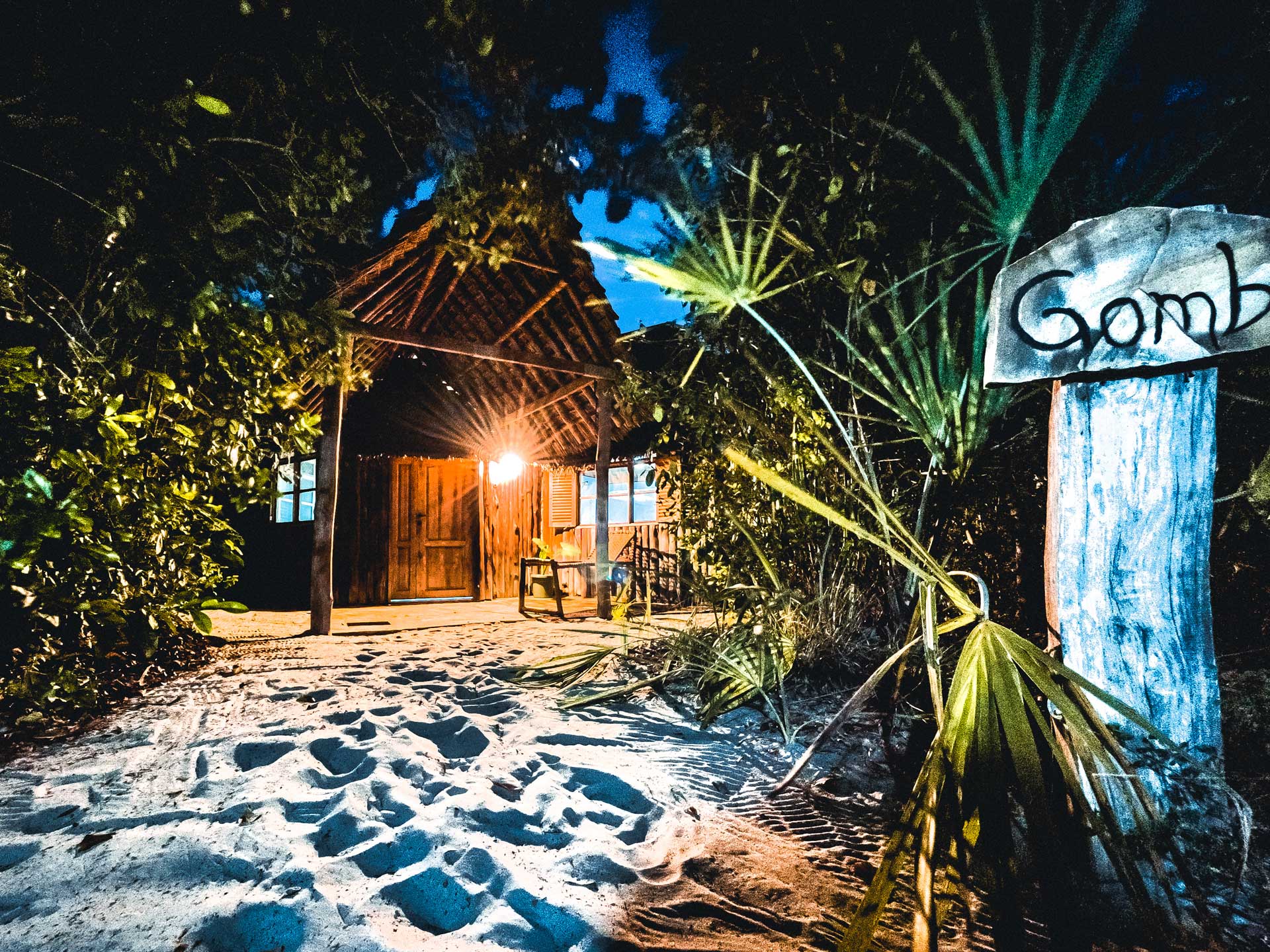
- Characterful accommodation — a combination of lodges, comfortable hotels and safari-style camps.

WEATHER:
OCTOBER: PREPARE FOR HEAT, DUST AND RAIN
Early October is a transition period in northern Tanzania. It follows the main dry season but also marks the beginning of the short-rain period. Many days may be warm, sunny and dry, but showers can develop and their timing varies from year to year. No dry-weather guarantee should be expected.
Conditions also change considerably along the route. The open plains around Kilimanjaro, the Maasai Steppe and Lake Burunge can be hot, dry and dusty during the day. The Pare and Usambara Mountains are higher, greener and usually cooler, with a greater chance of cloud, mist or rain. Mornings and evenings around Mtae and Karatu may feel surprisingly cool after a hot day on the plains.
Rain can change the riding conditions quickly. Firm gravel and red-earth tracks may become slippery, muddy or deeply rutted after a heavy shower. If weather makes a planned track impractical or unsafe, the itinerary may need to be adjusted.
Bring ventilated protective riding gear for the hotter sections, but also carry a waterproof outer layer, warmer mid-layer and waterproof gloves. Strong sun remains possible even on cooler days, so hydration and sun protection are essential.
Tanzania may be close to the equator, but that does not mean every riding day will be hot and dry. Pack for the route, not the postcard.

MOTORCYCLE GEAR:
AN ENDURO OUTFIT WORKS BEST
From our experience on this route, a light and well-ventilated enduro outfit works better than a heavy touring suit. It provides better freedom of movement on rough sections, handles heat and dust more comfortably, and makes it easier to add or remove layers as conditions change.
Each rider must bring their own complete protective motorcycle equipment. We recommend:
- a full-face adventure, enduro or motocross helmet with a clear visor or goggles;
- clear goggles or a clear replacement lens for dust, rain and reduced visibility;
- body armour protecting the chest, back, shoulders and elbows;
- knee braces or robust knee and shin protection;
- full-height enduro or motocross boots with proper ankle, shin and impact protection;
- enduro trousers and a well-ventilated riding jersey;
- a lightweight waterproof jacket and trousers that fit over the riding equipment;
- a light insulating layer for cooler mornings and mountain sections;
- a neck tube or buff for dust and sun protection;
- a hydration pack with a water bladder of at least 2 litres.
A well-ventilated adventure suit can also be used, provided it offers proper impact protection and does not become excessively hot or restrictive away from asphalt.
Open-face helmets, city motorcycle shoes, soft touring boots, jeans and casual riding clothing are not suitable for this route. Dust, loose stones, thorny vegetation and uneven tracks require proper protection.
Use equipment that you already know and trust. Do not arrive with new boots, an untested helmet or goggles that you have never worn for a full riding day.

LUGGAGE:
LUGGAGE
TRAVEL LIGHT—THE SUPPORT VEHICLE CARRIES THE REST
Each participant may bring one soft, dust- and waterproof travel bag weighing no more than 20 kg. This is the bag that will be transported in the support vehicle.
Do not bring hard-shell suitcases or rigid motorcycle cases. They take up too much space in the support vehicle, are difficult to load and can be damaged on rough roads.
The main luggage is loaded into the support vehicle each morning and may not be accessible during the riding day. Carry the items you may need on the road in a small hydration pack or securely attached waterproof day bag.
Keep the day bag small. Large backpacks become hot, uncomfortable and tiring during consecutive days of off-road riding.
Laundry service can be arranged at some hotels, usually for an additional charge. It is not available at every overnight stop, and same-day return cannot always be guaranteed. Bring quick-drying base layers and do not plan your packing around having laundry available every day.
Additional luggage that is not required during the tour may be left at the starting hotel in Arusha.
IMPORTANT TRAVEL INFORMATION:
PASSPORT, VISA AND RIDING DOCUMENTS
Visa requirements depend on nationality and can change. Check them before departure and use only the official Tanzania Immigration eVisa portal. Do not rely on old visa prices or unofficial intermediary websites.
Your national driver license is sufficient.
Keep printed or offline electronic copies of your passport, visa, driving licence and insurance policy separately from the originals.
MAXIMUM ALTITUDE:
1,900
metres above sea levelDAY-BY-DAY ITINERARY
DAY 1 — 1 OCTOBER 2027 – ARRIVAL IN ARUSHA
Arrival at Kilimanjaro International Airport and group transfer to the hotel in Arusha.
After checking in, we meet the team, discuss the route and prepare for the first riding day. Depending on arrival times, there may also be time to relax at the hotel or explore Arusha.
DAY 2 — 2 OCTOBER 2027 – ARUSHA – MATADI
The journey begins by leaving Arusha and riding east across the open country between Mount Meru and Kilimanjaro. When the weather is clear, both mountains may be visible during the first part of the day. The route combines asphalt connections with the first gravel and dirt sections of the tour. It is a useful introduction to the Himalayan 450 and to the surfaces we will encounter over the coming days.
DAY 3 — 3 OCTOBER 2027 – MATADI – SAME
We continue towards Same, riding through the dry landscapes surrounding the Pare Mountains. The roads become quieter as we leave the more frequently travelled routes behind. Longer gravel sections begin to dominate the route today. Subject to availability and local conditions, an optional 4×4 visit to Mkomazi National Park and its Rhino Sanctuary may be arranged during this part of the tour. The visit is booked and paid for separately.
DAY 4 — 4 OCTOBER 2027 – SAME – MTAE
Today the route climbs away from the plains and into the Usambara Mountains. Temperatures usually become cooler as the landscape changes from dry lowlands to greener mountain slopes. Winding roads and unpaved mountain sections lead towards Mtae, situated high in the Usambara range.
DAY 5 — 5 OCTOBER 2027 – MTAE – ORKESUMET
Leaving the Usambara highlands, we descend towards the wide-open landscapes of the Maasai Steppe. This is a varied riding day, with changing elevations and surfaces. The route passes through working villages and traditional Maasai country before reaching Orkesumet.
DAY 6 — 6 OCTOBER 2027 – ORKESUMET – LAKE BURUNGE
We continue across the Maasai Steppe, following remote roads and tracks through open grasslands and scattered settlements.The highlight is a 70 km single-track section through the bush. As we approach Lake Burunge, baobab trees begin to dominate the landscape. This part of Tanzania feels spacious and distinctly African, with long unpaved sections and the possibility of seeing wildlife along the way.
DAY 7 — 7 OCTOBER 2027 – LAKE BURUNGE – KARATU
The route continues from the dry baobab country towards the cooler highlands around Karatu. Gravel and dirt roads are linked by smoother sections as the landscape becomes greener and more cultivated. Karatu is our base for the following day and the gateway to the Ngorongoro Conservation Area.
DAY 8 — 8 OCTOBER 2027 – OPTIONAL NGORONGORO CRATER SAFARI OR FREE DAY
There is no motorcycle riding scheduled today. Participants who want a classic wildlife experience can book an optional 4×4 safari into the Ngorongoro Crater. The safari is arranged and paid for separately. Those who prefer not to join the safari can spend the day resting at the hotel.
DAY 9 — 9 OCTOBER 2027 – KARATU – ARUSHA
Our final riding day takes us back towards Arusha. The route combines rural roads and unpaved sections with the asphalt connections needed to complete the loop. After several days of mountains, steppe and remote tracks, we return to the city and spend the final evening in Arusha.
DAY 10 — 10 OCTOBER 2027 – DEPARTURE
Breakfast at the hotel and group transfer to Kilimanjaro International Airport according to the planned departure arrangements.
The route and daily programme may change because of weather, road conditions, political or social circumstances, park regulations or other local factors.
WHAT OUR RIDERS SAY
GOOGLE REVIEWS
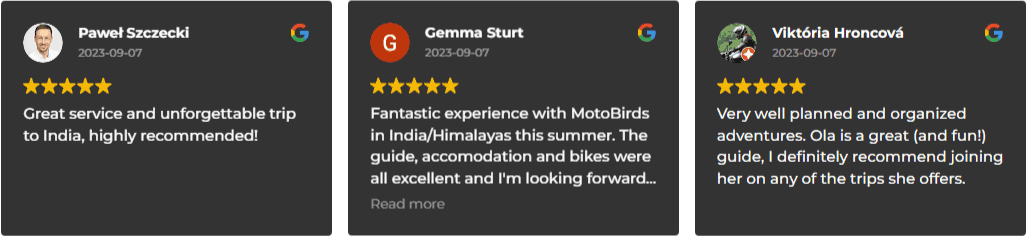
Google rating score: 5.0 of 5,based on 47 reviews
WHAT’S INCLUDED:

MOTORCYCLE

4X4 OPTION

GUIDE

SUPPORT VEHICLE

TECHNICAL SUPPORT

ACCOMMODATION & MEALS

ARRIVAL & DEPARTURE TRANSFERS

ACTIVITIES
- Optional Safari to the crater. Includes entrance, lunch by the hippo pond. When you’ve had enough you can head back to your hotel. It’s your day! €250.
- Optional 4×4 safari at Mkomazi National Park. Entrance to the black rhino and wild dog sanctuary (€150)

INSURANCE
- Basic travel insurance.
- Tourist Guarantee Fund fee.
- Tourist Support Fund fee.
IMPORTANT: For an additional fee, there is an option to independently extend the insurance within the Signal Iduna Safe Travels and/or Global Rescue partner offer. The price of the tour includes basic travel insurance.

WELCOME PACK
WHAT’S NOT INCLUDED:
- International flights to and from Kilimanjaro International Airport. Do not book non-refundable flights until MotoBirds confirms that the minimum group size has been reached.
- Tourist visa, if required for your nationality, and the cost of passports, driving licences and other personal documentation.
- Medical consultations, tests, vaccinations or preventive treatments required or recommended for the journey.
- Personal motorcycle clothing and protective riding equipment.
- Medical treatment, rescue, evacuation or repatriation costs not covered by the basic travel insurance included in the tour.
- Additional travel, cancellation, motorcycle-riding or medical-evacuation insurance, including Global Rescue or similar services.
- Lunches and dinners in Arusha.
- Drinks other than water, including alcoholic beverages and soft drinks.
- Snacks and other personal purchases.
- Single-room supplement, subject to availability.
- Hotel laundry services.
- Tips for local staff.
- Optional 4×4 safari to Ngorongoro Crater (250 EUR).
- Optional 4×4 visit to Mkomazi National Park and the Rhino Sanctuary, subject to availability and local conditions (150 EUR).
- Entrance fees, vehicles, guides, meals and other costs connected with optional safaris or activities.
- Individual airport transfers and additional accommodation outside the official tour dates of 1 and 10 October 2027 (100 EUR / person).
- Any services or expenses not specifically listed under “Price Includes.”
MOTORCYCLE SECURITY DEPOSIT:
Refundable motorcycle deposit of US$500. Cash or card payment on site. If the damage to the motorcycle exceeds the amount of the deposit, the driver must pay the difference.